
How gambling has evolved through history A journey from ancient games to modern casinos
The Origins of Gambling
The history of gambling can be traced back to ancient civilizations, where games of chance were a popular form of entertainment. Archaeological findings suggest that the Chinese played a rudimentary form of gambling as early as 2300 BC, utilizing tiles for a game similar to lotteries. In ancient Rome, dice games were widely popular, often played by soldiers during their downtime, showcasing how deeply embedded gambling was in social culture. These early forms of gambling laid the groundwork for more structured games that would come later. Today, platforms like https://betjee-pk.com/ highlight how this tradition has evolved into modern betting experiences.

In Ancient Greece, gambling took on a more organized shape with the introduction of betting on athletic competitions, including the Olympic Games. The Greeks not only placed bets on the outcomes of these events but also engaged in various games of chance, like knuckle bones and dice. The popularity of these activities highlights the inherent human attraction to risk and chance, which has persisted through history. As civilizations evolved, so did the methods and platforms for gambling, making it a significant aspect of leisure and social interaction.
The introduction of playing cards in the 9th century brought a new dimension to gambling. Originating in China, playing cards spread across Asia and into Europe, where they were further developed. By the 14th century, card games were well-established, and various betting games emerged, including early forms of poker and blackjack. These innovations reflected changes in social structures and economics, as gambling began to appeal to a broader audience, transcending class boundaries.
The Renaissance and the Birth of Modern Gambling
The Renaissance period marked a significant evolution in gambling practices, particularly in Europe. This era saw the establishment of gambling houses, which can be considered the precursors to modern casinos. In places like Venice and Paris, these houses attracted wealthy patrons and became social hubs. The games played in these establishments included early forms of roulette and baccarat, which remain popular today. The blend of social interaction and risk-taking in these venues highlighted gambling’s cultural significance during this time.
As the 17th century progressed, gambling became even more regulated. Governments began to recognize the potential for taxation and revenue from gambling activities, leading to the establishment of state-run lotteries. These lotteries provided funding for public projects and services, demonstrating how gambling transitioned from an informal pastime to a regulated industry. The emergence of laws and regulations surrounding gambling marked a pivotal shift, laying the groundwork for the modern gambling landscape.
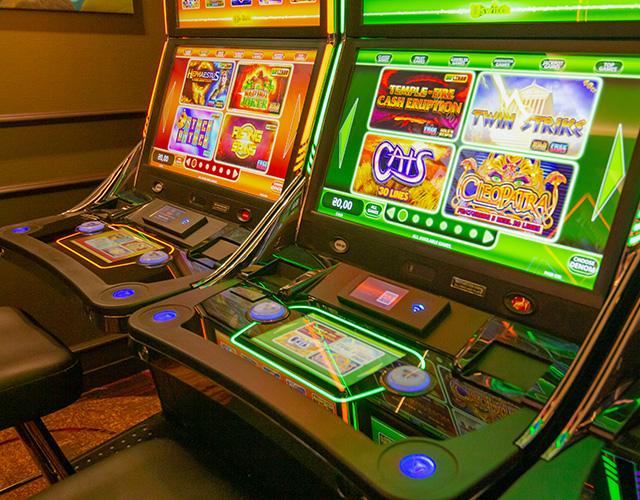
By the late 19th century, gambling had evolved to include more structured formats and establishments. The introduction of slot machines in the United States transformed the gambling experience, making it more accessible to the general public. These machines provided instant gratification and appealed to a broader audience, further embedding gambling into the fabric of society. The combination of regulation, technological advancements, and social acceptance made gambling a formidable industry that would continue to grow exponentially.
The Rise of Casinos and Gaming Regulations
The 20th century saw a significant shift in the gambling landscape with the establishment of Las Vegas as the gambling capital of the world. The legalization of gambling in Nevada in 1931 led to the opening of iconic casinos that combined entertainment, dining, and gaming under one roof. This comprehensive approach to gambling created an experience that was both luxurious and thrilling, attracting tourists from around the globe. The rise of Las Vegas set a standard for casino operations and inspired similar developments in other regions.
Alongside the growth of casinos came a wave of regulatory measures aimed at ensuring fair play and protecting consumers. The establishment of gaming commissions and regulatory bodies in various states and countries helped to foster trust in gambling establishments. These agencies worked to combat illegal gambling operations and ensure that licensed venues adhered to ethical practices. This regulatory framework was crucial in legitimizing gambling as a reputable industry and increasing its appeal to a broader demographic.
As technology advanced, the landscape of gambling continued to evolve. The introduction of online gambling in the late 1990s revolutionized the industry, making it possible for players to enjoy their favorite games from the comfort of their homes. Online platforms offered a wide array of games, from traditional table games to innovative slots, democratizing access to gambling. This shift not only expanded the market but also necessitated new regulatory challenges as lawmakers grappled with how to oversee digital gambling practices effectively.
The Impact of Technology on Gambling Today
In the 21st century, technology has played a pivotal role in shaping the gambling industry. Mobile technology has enabled players to access gambling platforms anywhere, anytime. This convenience has led to a surge in mobile gaming apps that offer a seamless betting experience. Players can easily place bets on sports events, engage in live dealer games, or spin the reels on popular slots, all from their smartphones. The rise of mobile gambling has transformed the way people interact with gambling, making it more integrated into everyday life.
Moreover, advancements such as virtual reality (VR) and augmented reality (AR) are beginning to make waves in the gambling sector. These technologies promise to create immersive experiences for players, simulating the environment of physical casinos while maintaining the convenience of online play. As these technologies continue to develop, they may redefine the gambling experience, attracting a new generation of players eager for innovation and excitement.
However, the rapid evolution of technology in gambling also raises concerns about responsible gaming. The accessibility of online gambling can lead to problems like gambling addiction. Recognizing these challenges, many online platforms have implemented features to promote responsible gaming, such as self-exclusion tools and limits on betting amounts. The balance between innovation and responsible gaming practices will be vital to the industry’s future, ensuring that gambling remains a form of entertainment rather than a harmful addiction.
Betjee: A Modern Gambling Experience
Betjee stands at the forefront of the online gambling revolution, catering specifically to bettors looking for a seamless experience. With a user-friendly interface, Betjee offers a wide selection of games, including sports betting and casino games, appealing to diverse preferences. The platform is designed with accessibility in mind, ensuring that players can easily navigate through options whether they are on desktop or mobile devices.
Safety and security are paramount at Betjee. The platform is licensed and employs SSL encryption to protect users’ personal and financial information. Local payment methods like JazzCash and Easypaisa make transactions straightforward and secure, further enhancing the user experience. Betjee’s commitment to security reflects the industry’s best practices, fostering trust among its users.
In addition to its robust offerings, Betjee provides 24/7 customer support, ensuring that players have assistance whenever they need it. New players can take advantage of enticing bonuses, making their initial gaming experience more enjoyable. With its dedication to quality and user satisfaction, Betjee exemplifies the modern evolution of gambling platforms, ensuring that players engage in a trusted and thrilling environment.